

Is Sudan Headed for Disintegration
اضيف الخبر في يوم الأحد ٠٧ - فبراير - ٢٠١٠ ١٢:٠٠ صباحاً.

Is Sudan Headed for Disintegration?
Haydar Ibrahim Ali
Director of the Centre for Sudanese Studies
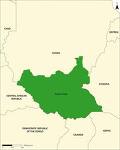
Sudan is currently celebrating the fifth anniversary of the Comprehensive Peace Agreement, signed in Naivasha (Kenya) on January 9th, 2005, in a climate of fear for the near future, and more precisely the results of the referendum on self-determination to take place in under a year. No party on the current Sudanese horizon - whether local, regional or international - is capable or willing to stem the drift towards secession of the south. Rather, various actors are now finalizing the details of a "peaceful secession," and making arrangements for the "post-secession" scenario. Thus attention is focused on avoiding the outbreak of a new war at that point. However, the factors that carved out the Naivasha Agreement and created the prospect of secession have also had an effect in other areas. Darfuris are now talking, for the first time, about the right to self-determination, while the Doha meeting on the question of Darfur, originally scheduled for late January 2010, has been indefinitely postponed. Meanwhile regional and tribal confrontations are flaring up elsewhere in the country, warning of further fragmentation. And as a result of these conflicts, and because of neglect, corruption and tyranny, starvation now threatens the whole of Sudan.
The Naivasha Agreement was weak and ambiguous from the outset. Its flaws can be attributed to the strong role played by external forces and weakness of internal factors. Both parties were subjected to extreme pressures from the sponsors of the negotiations after mediators finally tired of over three years of foot-dragging. They then set a deadline for signing, leaving some of the thornier issues for future negotiations.
The deliberate policy of internationalizing Sudanese issues, which in addition to the south also extended to Darfur and the east, has undermined national will and sovereignty. The regime deliberately prevented the political opposition from playing a part in the resolution of national issues, preferring external mediation. Ironically, following the decision of the International Criminal Court to issue an arrest warrant for President Omar Al-Bashir, the United States has begun to play a decisive role in Sudan.
The central government is no longer in control of the entire national territory, as a result of misguided approaches based on the ethnicization of politics and promoting tribal and regional formations. But this plan has backfired on the regime: the reins of power have slipped from its hands and it is now reaping its bitter fruit.
The problem in Sudan lies locally in the absence of an alternative. The National Congress has succeeded in rendering itself and territorial unity equivalent, as if its downfall would spell the end of Sudan. Moreover, all political parties have proven incapable of reforming their political programs and leadership. At the regional level, no efforts are being made to avert secession. Egypt no longer plays any effective role in Sudanese politics. The international community, too, is generally not opposed to secession, but concerned that it should not generate unmanageable regional instability. Thus, it seems nothing will stop the dynamics of secession.
This month read: our policy briefs "Bedouinocratic Libya: Between Hereditary Succession and Reform" by Rachid Khechana (also in Arabic), and 2010: Sudan Faces Danger of South Secession (only in Arabic) by Haydar Ibrahim Ali.
See ARI Members'Activities :
The Gulf Research Center organizes "The 2010 Jeddah Economic Forum"
The Center for European Forum: policy brief "Can Turkey Combine EU Accession and Regional Leadership?"
FRIDE: policy brief "Yemen: Make Haste Slowly"
اجمالي القراءات
367
أضف تعليق
لا بد من تسجيل الدخول اولا قبل التعليق
ÇÎÑ ÇáÇÎÈÇÑ
more

اخبار متعلقة
فيديو مختار
دعوة للتبرع
مقالات من الارشيف
more





أسماء الصحابة : مقالك م عن القرا مطة وآل سعود روعة خالصة ....
السماع للهجص: في الآون ة الأخي رة بدأت أستمع كثيرا ومن باب...
القاتل هل سيُقتل : هناك مقولة ان القات ل يُقتل ولو بعد حين . هل...
سؤالان : السؤ ال الأول : بين الاخو ان والسي سى ...
نشجب هذا ..ودائما..: مرحبا وان شاء الله الجمي ع بألف خير لم استطع...
moreالرئيسية | عن الموقع | التيار القراني | القرانبحث | الاتصال| اساسيات اهل القران
 Copyrights (c) 2006 MAH
 جميع الحقوق محفوظة(amir@ahl-alquran.com)