

Lebanon Gets Ensnared in Bahrain Domestic Disputes
اضيف الخبر في يوم الأربعاء ٣٠ - مارس - ٢٠١١ ١٢:٠٠ صباحاً.


Lebanon Gets Ensnared in Bahrain Domestic Disputes
|
Lebanon Gets Ensnared in Bahrain Domestic Disputes
|
|
Written by David E. Miller
Published Wednesday, March 23, 2011 |
Gulf emirate suspends air links Lebanon after Hizbullah leader’s remarks
The conflict in Bahrain has taken on new regional and sectarian implications, after the tiny Gulf emirate entered into a war of words with the leader of the Lebanese Shiite movement, Hizbullah, and cut off air links between the two countries.
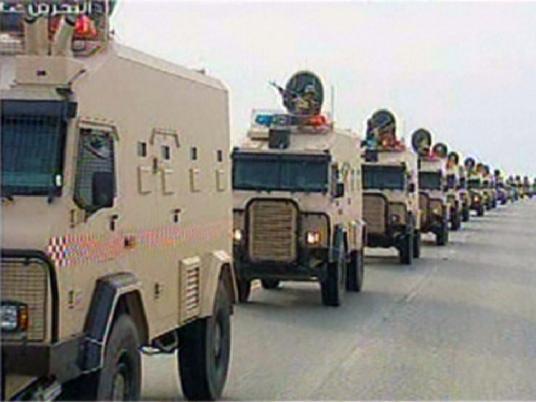
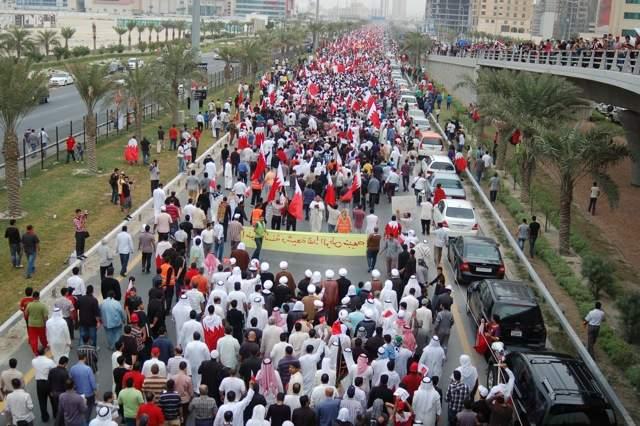
Unrest in Bahrain has adopted an increasing sectarian complexion since Saudi security forces entered the country over the weekend at the behest of the Sunni government to disperse demonstrations led by a Shiite majority. The move angered Iran, which sees itself as the global leader of Shiism, prompting concerns it may take counter-measures.
Hassan Nasrallah, the leader of Hizbullah, which is allied to Iran, opened a new front in the struggle after the Saudi deployment, with sharply critical remarks.
“There is particular injustice in Bahrain,” Nasrallah told crowds in Beirut in a speech broadcast through video link on Saturday. “Bahrain is a small island with a peaceful population of one million that came out to demand its legitimate rights, but the response was murder.”
Bahrain's Foreign Ministry condemned Nasrallah's statement, calling him a "representative of a terrorist organization," a rare case of an Arab government using that label to describe an Arab militant group. On Wednesday, Bahraini national carriers Bahrain Air and Gulf Air suspended their flights to and from Lebanon indefinitely. The move came a day after Bahrain warned its citizens from traveling to Lebanon for their personal safety.
"Bahrain is going through a tough period and Gulf states are extremely sensitive to these kinds of statements," Hilal Khashan, a political scientist at the American University of Beirut (AUB) told The Media Line. "Nasrallah's words only added insult to injury."
Although largely Shiite, the opposition in Bahrain largely focused on political reforms in the first weeks of its campaign. But its demands for more democracy frightened not only the monarchy but the Sunni minority, which has backed the deployment of Saudi troops. Now, both sides are casting the conflict in religious terms, which has in turn been echoed in places as far a field as Lebanon with its own Shiite-Sunni divide.
Bahrain, a tiny Persian Gulf archipelago, has a Shiite majority but is ruled since independence in 1971 by a Sunni monarch backed by the country's American and British allies. The U.S. Fifth Fleet is based in the island country, which is situated between Saudi Arabia and Iran.
A statement issued by Bahrain's civil aviation authority made clear that the severing of air links was more than a symbolic movement. Positioning Bahrain within the broader framework of the Gulf Cooperation Council (GCC), whose membership includes the super-wealthy, oil-exporting Arab countries of the Gulf, the statement hinted it was intending to strike a blow to Lebanon’s economy.
The Bahraini threats were picked up loud and clear by anti-Hizbullah elements, both Sunni and Christian, in Lebanon. Lebanese parliament member Antwan Zahra noted that 600,000 Lebanese worked in GCC states, contributing through remittances to a third of Lebanon's economy.
"Through his commitment to the Iranian project, Nasrallah is creating a diplomatic crisis for Lebanon," Zahra told the Bahraini daily Al-Watan.
Lebanon's caretaker prime minister, Saad Hariri, a Sunni and foe of Hizbullah, also capitalized on the event, blaming the Shiite movement for undermining Lebanon's vital interests. During a meeting with young party members in Beirut, he warned against Hizbullah's attempt to turn Lebanon into a launch pad for exporting revolution. On Tuesday Hariri called King Hamad bin Isa Al Khalifa.and condemned Nasrallah's "irresponsible" statements, Lebanese daily A-Nahar reported.
Nasrallah's statements come in the context of a crisis in relations between Bahrain and Iran. Iran has condemned Bahrain's harsh treatment of Shiite protesters and has dubbed the use of the Saudi military to quell the demonstrations as a "strategic mistake.” Iran and Bahrain recalled each others ambassadors last week.
But Khashan of AUB said the diplomatic impasse between the two countries was unlikely to deteriorate further.
"[The flight suspension] is more symbolic than anything else," he said.
Salman Sheikh, director of the Brookings Doha Institute, a Qatar-based think tank, said that in its action Bahrain exposed preexisting animosity between the Sunni GCC countries and Iran that if unchecked could ignite a larger regional conflict.
"There has been a breakdown in trust between the GCC and Iran, which has amounted to a kind of cold war," Sheikh told The Media Line. "Bahrain is now exposing these tensions more openly. I fear that if efforts aren't exerted to deescalate the situation, there may be far-reaching effects for the entire region."
اجمالي القراءات
552
أضف تعليق
لا بد من تسجيل الدخول اولا قبل التعليق
ÇÎÑ ÇáÇÎÈÇÑ
more

اخبار متعلقة
دعوة للتبرع
مقالات من الارشيف
more







سؤالان : السؤ ال الأول : ما رأيك فى الحفل ات ...
اهلا بك وسهلا ومرحبا: بسم الله الرحم ن الرحم ن الاخ الدكت ور/ ...
مسألة ميراث: لدي سؤال بخصوص حكم المير اث في الحال ة ...
عن ابراهيم : السؤا ل عن ابراه يم عليه السلا م من...
خير مما يجمعون: هذه قصتى . أنا كنت طالب فى الجام عة اسقط سنة...
moreالرئيسية | عن الموقع | التيار القراني | القرانبحث | الاتصال| اساسيات اهل القران
 Copyrights (c) 2006 MAH
 جميع الحقوق محفوظة(amir@ahl-alquran.com)